Peak season travel has a reliable cost structure: you pay more for accommodation, you wait longer to see things, and you share the places you came to see with the maximum number of other people who also came to see them. There are good reasons to travel in peak season — school schedules don't negotiate, family trips often require summer dates, some experiences are genuinely better in their obvious season. But if your dates are flexible, the argument for shoulder season is almost always strong enough to shift the planning.
The word "shoulder" implies mediocrity — the boring bit between the good bits. It isn't. For most popular travel destinations, shoulder season is objectively the best time to be there, for reasons that go beyond cheaper flights.
What Shoulder Season Actually Gives You
The crowd problem at popular destinations isn't about crowds in a vague sense — it's about specific, measurable friction. The wait for the Uffizi on a Tuesday in August. The boat tours in the Amalfi Coast so full in July that the coast itself is largely obscured by the boats. Kyoto's Arashiyama bamboo grove in cherry blossom season, which is beautiful for exactly the same reason that it's impenetrable. These aren't complaints about other people being present — they're observations about places that were designed for a certain human density being well beyond it.
Shoulder season returns destinations to roughly the density they were designed for. Tables are available at restaurants that would have been full in August. The famous viewpoint has room to stand at. The small museum that would have required timed entry has walk-in availability. This isn't a trivial benefit — it changes the texture of the experience from management to presence.
The cost reduction is real but varies significantly by destination. For Mediterranean coastal destinations in particular, the price difference between high summer and September can be 30-50% for accommodation, with corresponding drops in flight pricing. For city destinations less dependent on beach weather, the shoulder premium is smaller but still meaningful.
September in the Mediterranean
September is the canonical shoulder month for Mediterranean Europe, and the case for it is strong. The sea is at its warmest — it retains summer heat through late September and into October on the southern coast. Air temperatures are comfortable rather than punishing (mid-20s Celsius in most of coastal Italy and southern Spain, rather than the 35+ of July and August). The summer crowds have mostly returned to work and school. And the light in September is objectively excellent — lower angle than summer, golden quality in the afternoon that photographers and painters have noted for centuries.
The Amalfi Coast in September is a particularly clear example. In August, the coast road is a congested ordeal, accommodation books a year in advance at peak prices, and the beaches are packed. In mid-September, the road moves, restaurants have available tables, and the water is still warm enough for swimming. The destination is identical; the experience is substantially better.
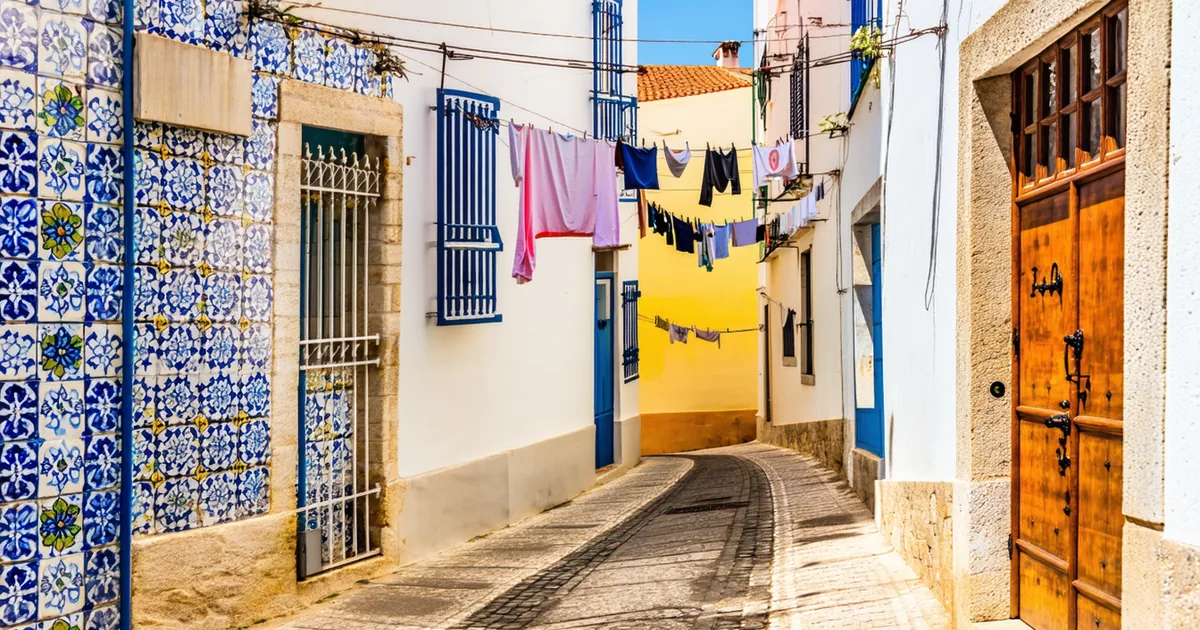
The same logic applies to the Algarve in Portugal, the Greek islands (late September and early October work well for the Cyclades and Dodecanese), and coastal Croatia. Sicily in September is arguably its best month — harvest season, wine festivals, comfortable weather, and a fraction of August's visitors.
October and November in East Asia
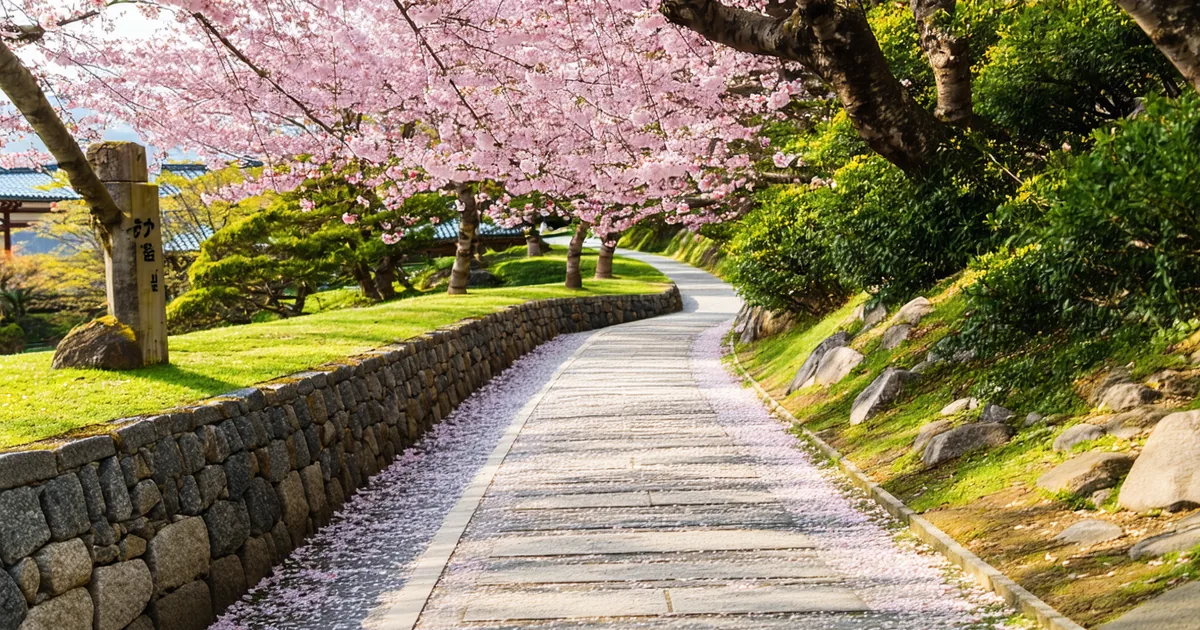
Japan's cherry blossom season in late March and April is genuinely beautiful and genuinely overwhelmed. The autumn colour season (koyo) in October and November is arguably more striking — the reds and golds of Japanese maples against temple architecture — with significantly lighter crowds. Kyoto's Arashiyama in early November, Nikko's shrine complex in late October, and the hills above Nara are among the better visual experiences available in autumn travel. This isn't a secret, and popular spots still get busy, but the ratio of experience to crowd is substantially better than the spring peak.
For Southeast Asia, the shoulder period between dry and wet seasons (roughly May and October-November, varying by country) offers a version of the high-season experience without the high-season density, at the cost of some weather uncertainty. Northern Thailand in October before the full dry season has cooler temperatures than the summer and fewer visitors than December through February.
The African and Middle Eastern Winter
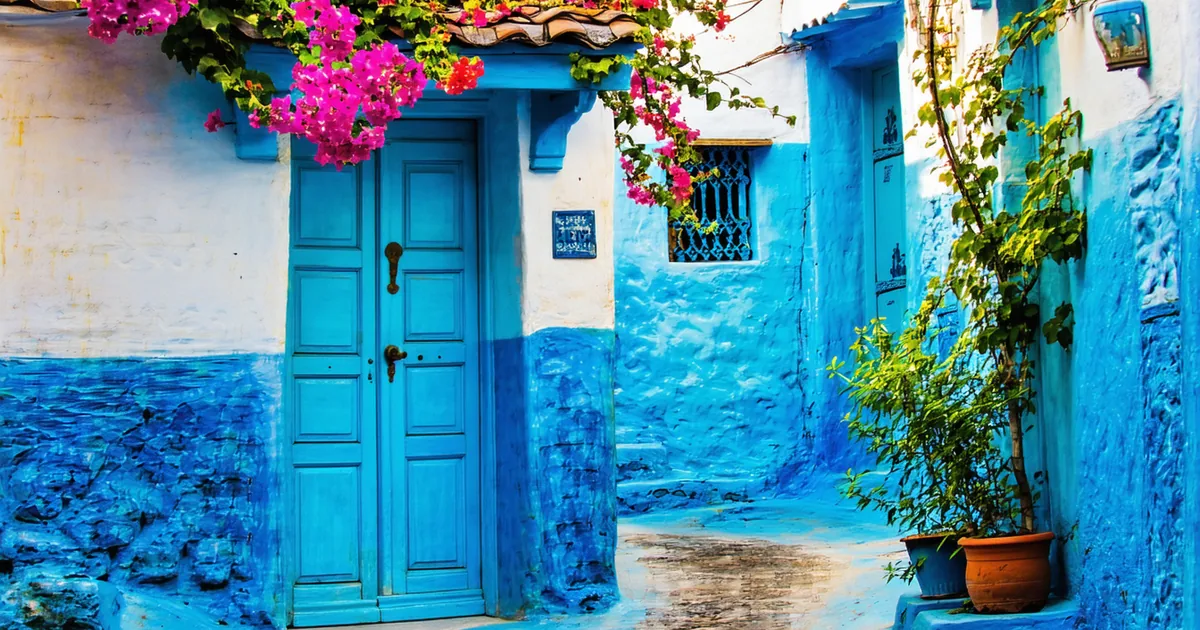
Morocco is one of the clearest examples of a destination that makes no sense to visit in peak European summer. Marrakech in July and August is extremely hot — mid-40s Celsius during the day — and its medina and souks are full of European tourists who didn't know that or didn't have alternatives. February, by contrast, offers mild days (around 20 degrees), cold but manageable desert nights, and a city that's functioning at normal pace rather than tourist peak. The same applies to the Atlas Mountains region, which is at its most accessible and least crowded in late winter.
Jordan and Egypt follow a similar logic: October through March offers the most comfortable visiting conditions for outdoor sites, with the peak months of October and November typically combining good weather with moderate crowds before the December-January holiday surge.
When Shoulder Season Doesn't Work
The argument has limits. Some destinations are shoulder-season sensitive in ways that actually matter for the experience. The Norwegian fjords and northern Scandinavian destinations are genuinely constrained to late spring through early autumn — not for crowd reasons but for daylight and accessibility reasons. A shoulder-season trip to the Faroe Islands in October means significantly shorter days and a high probability of weather disruption. For destinations where the physical environment is the point, shoulder season can mean genuinely compromised conditions, not just slightly cooler temperatures.
Similarly: if there's a specific festival or seasonal event that's the reason for the trip, shoulder season by definition misses it. The Siena Palio happens in July and August. The Notting Hill Carnival happens in August. Cherry blossom and autumn colour in Japan are peak-season events precisely because they're worth the crowds. The shoulder-season argument is strongest when the destination itself is the point, not the particular event.
The Planning Habit That Helps
The most practical way to apply this: when you're deciding where to travel next, add a column to your thinking for "ideal timing." Most destinations have a strong case for shoulder months that's worth knowing before you decide when to go, not after you've already set dates around school holidays or a partner's work schedule. Flexibility about timing, if you have it, is often more valuable than flexibility about destination.
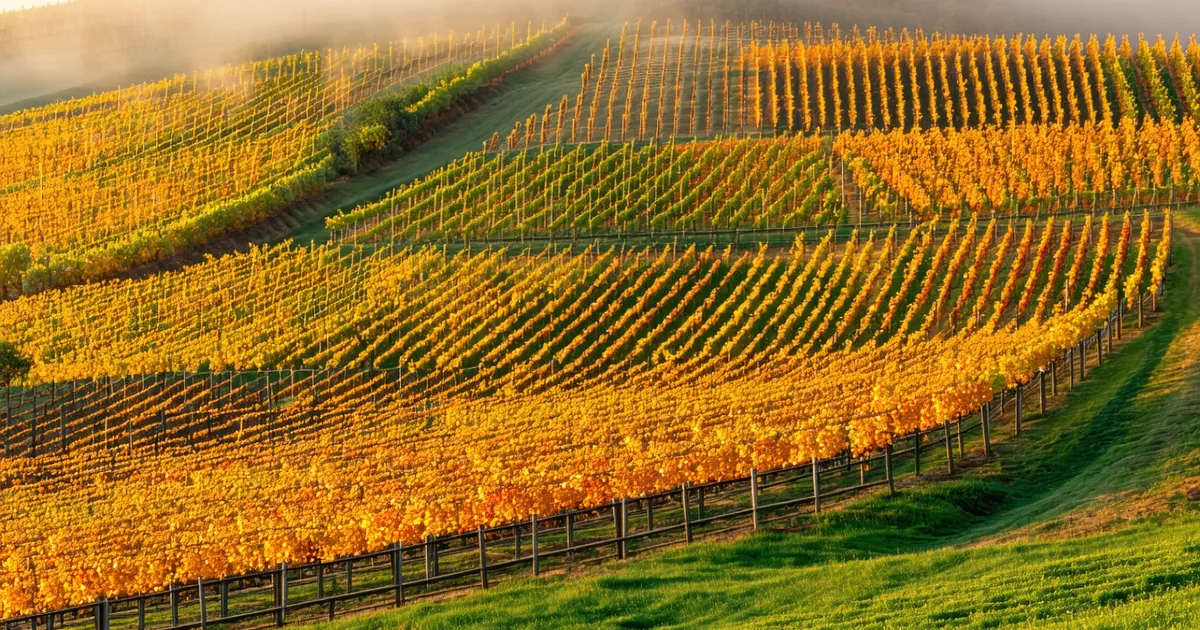
The places worth seeing haven't gone anywhere. They'll be there in September when the prices are lower, the tables have room, and the afternoon light is doing what it's been doing in October in Tuscany since long before anyone was scheduling their vacations around it.