Marrakech is where most Morocco itineraries begin and end. The medina, the Jemaa el-Fna square, the souks, the Majorelle Garden — these are the standard first-trip anchors, and they're genuinely worth seeing. The square at dusk when the food stalls appear and the storytellers and musicians set up is one of the stranger and more spectacular urban experiences available in travel. The souks reward time spent navigating without a specific destination.
But Morocco is a large country with radically different geographies — Atlantic coast, Saharan edge, Rif Mountain north, Middle Atlas interior — and most of those geographies are significantly less visited than Marrakech while being equally distinctive. Treating Marrakech as the destination rather than the arrival point is the most common version of a Morocco trip that came home feeling incomplete.
Two Days in Marrakech, Then Move
The structure that serves Morocco best for a ten-to-twelve day trip: two full days in Marrakech to absorb the city properly, then move. Two days is genuinely enough if you're focused — the medina, the souks by day and Jemaa el-Fna by evening, one or two of the major palaces and gardens. Day three onward, the country opens up.
A note on Marrakech specifically: the tourist pressure in the medina can be intense, particularly around the square and the nearest sections of the souks. This is widely reported and equally widely overstated — most travellers who spend time in the medina past the immediately tourist-facing areas find it more navigable and genuine than the reputation suggests. The key is getting past the first two hundred metres of the main souk entrance, where the density of organised tourist vendors is highest, and into the neighbourhood sections where the medina functions primarily for the people who live in it.
Chefchaouen and the Rif Mountains
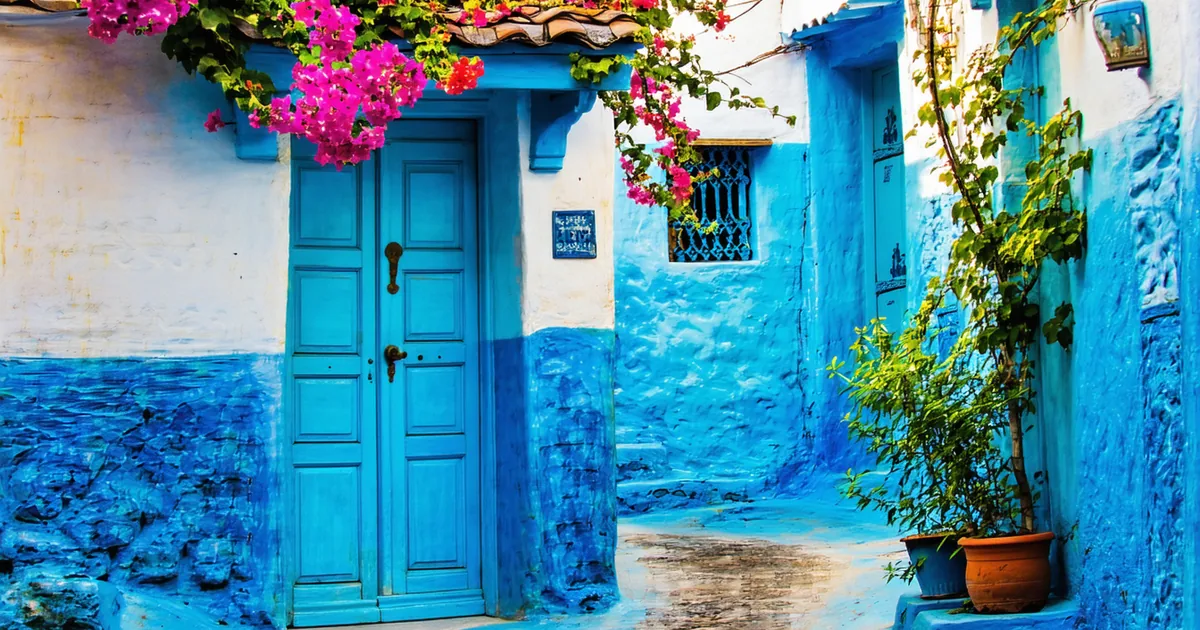
Chefchaouen — the blue city in the Rif Mountains, five to six hours north of Marrakech by road or accessible via Fes — is heavily photographed and by now firmly on the tourist circuit. The blue-painted walls of the old medina are as striking as the photographs suggest, and the town has a genuinely different character from the imperial cities: cooler, quieter, mountain-paced. The surrounding Rif landscape is worth at least a half-day — the hike to the Spanish mosque above the town provides both a view over the blue rooftops and a reasonable physical morning.
The honest note: Chefchaouen's medina, particularly around the main square and the most photographed streets, is extremely tourist-oriented — guesthouses, photography spots, souvenir shops — and the town's function as a destination has somewhat overtaken its function as a working Moroccan mountain town. The genuinely interesting version of the visit is one that engages with the quieter neighbourhoods away from the medina core, and ideally involves staying overnight when the day-tripping crowds from Fes have left.
Fes: The Medina That Requires Time
Fes el-Bali is the most intact medieval medina in the Arab world — a working city of approximately 150,000 people within medieval walls, navigable only by foot and mule, with thousands of individual streets and dead-ends that resist both GPS navigation and confident orientation. It rewards patience in a way that Marrakech's medina, which is more legible and more tourist-adapted, does not.
Two or three nights in Fes is the minimum for the medina to start making spatial sense. The first day involves repeated disorientation. By the second day, the logic of the neighbourhood divisions begins to emerge — the leather tanneries in the north, the dyers' souk further in, the religious college quarter, the Jewish mellah. A guide for the first half-day makes practical sense not for the facts (which you can read elsewhere) but for learning to orient by landmarks rather than streets.
The tanneries viewed from the surrounding terrace shops are genuinely impressive, and the shoe and leather goods for sale in the surrounding shops are among the better craft items available in Morocco for quality and relative value. The viewing experience has been heavily commercialised — you'll be handed a sprig of mint at the entrance to counteract the smell, which tells you something — but the scale and activity of the operation is genuinely arresting.
The Atlantic Coast: Essaouira
Essaouira, on the Atlantic coast three hours west of Marrakech, is the piece of Morocco that most surprises visitors who were expecting only ochre and heat. The coast here is Atlantic and windy — the city is known as one of the premier kitesurfing and windsurfing destinations in the world, reliably breezy almost year-round. The old medina is UNESCO-listed, smaller and more immediately navigable than Fes or Marrakech, and has a distinctly different character: blue and white rather than ochre, sea air, ramparts walking the edge of the Atlantic.
The seafood situation in Essaouira is significantly better than in the inland cities — the daily catch arrives at the port each morning, and the grill stands near the harbour offer fresh fish and seafood at prices that are reasonable by any standard. For a trip that has been heavy on tagines and couscous, two days on the Atlantic coast serves as a genuine reset.
The Desert Edge: Merzouga and the Draa Valley
The Saharan edge near Merzouga — the Erg Chebbi dunes, accessible from Marrakech via a full day's drive through the dramatic Draa Valley — is the most physically dramatic section of any Morocco itinerary and the one that requires the most planning tolerance. The dunes are genuinely spectacular at sunrise and sunset. The camel trek and desert camp overnight experience has become extremely commercialised at the popular end, with large tent camps that are essentially hotels in the sand — comfortable but not remotely the solitary desert experience they're marketed as.
The better version of the experience: stay at a smaller, less-promoted desert camp, or time the visit for shoulder months (April or October) when the crowds thin and the temperatures are tolerable rather than extreme. The Draa Valley road itself, passing through a long oasis corridor of date palms, kasbah ruins, and Berber villages, is worth the journey even if the dune destination end is mixed.
A Route That Works
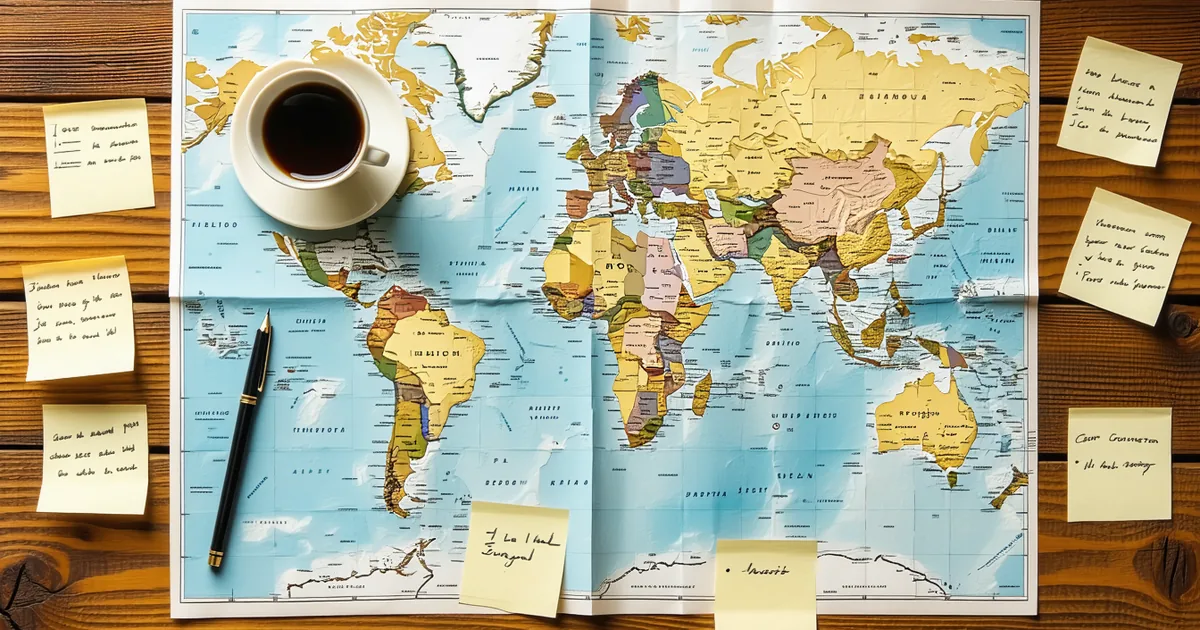
For a twelve-day Morocco trip with Marrakech as both arrival and departure: two nights in Marrakech, then overland north to Fes via the Middle Atlas (overnight in Midelt or Azrou in the mountains is worth it for the landscape shift), two to three nights in Fes, overnight to Chefchaouen, two nights there, then south to Essaouira via the Atlantic coast highway, two nights on the coast, and return to Marrakech through the interior. The final night in Marrakech arrives with different eyes than the first night — the context of the country that surrounds it changes how the city reads.
This is a route with genuine diversity — mountain, medieval city, Atlantic coast, and medina — and it keeps the driving manageable. Morocco by shared grand taxi or CTM bus is viable and rewarding for travellers comfortable with less predictable timing; a hired driver for the overland legs gives flexibility and local knowledge that organised group tours don't.