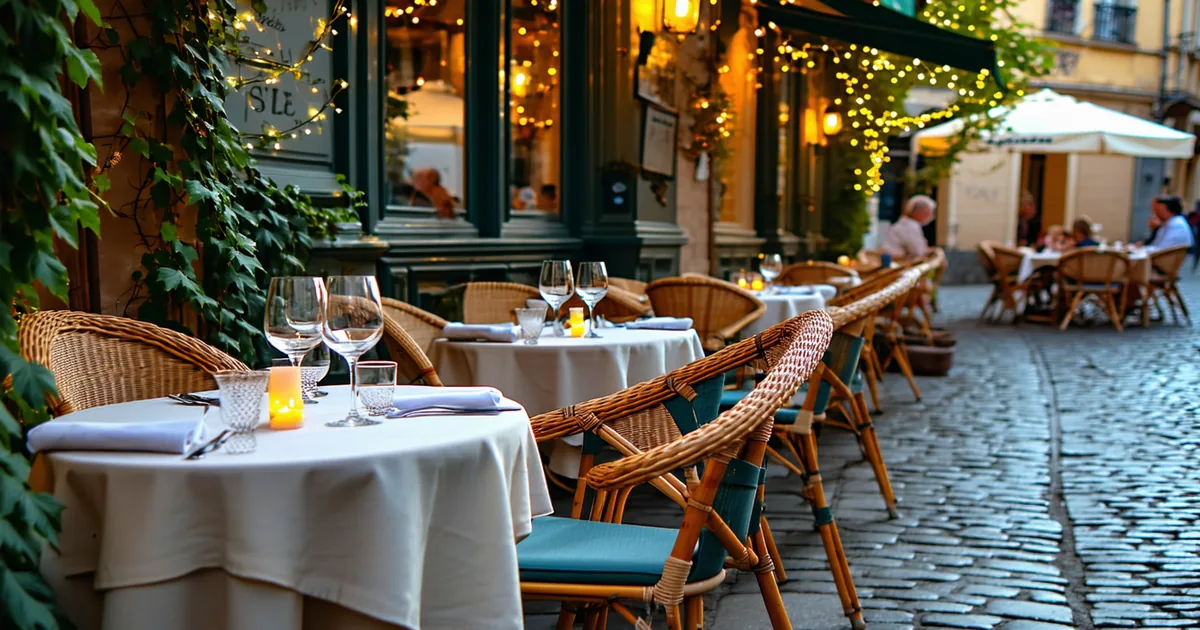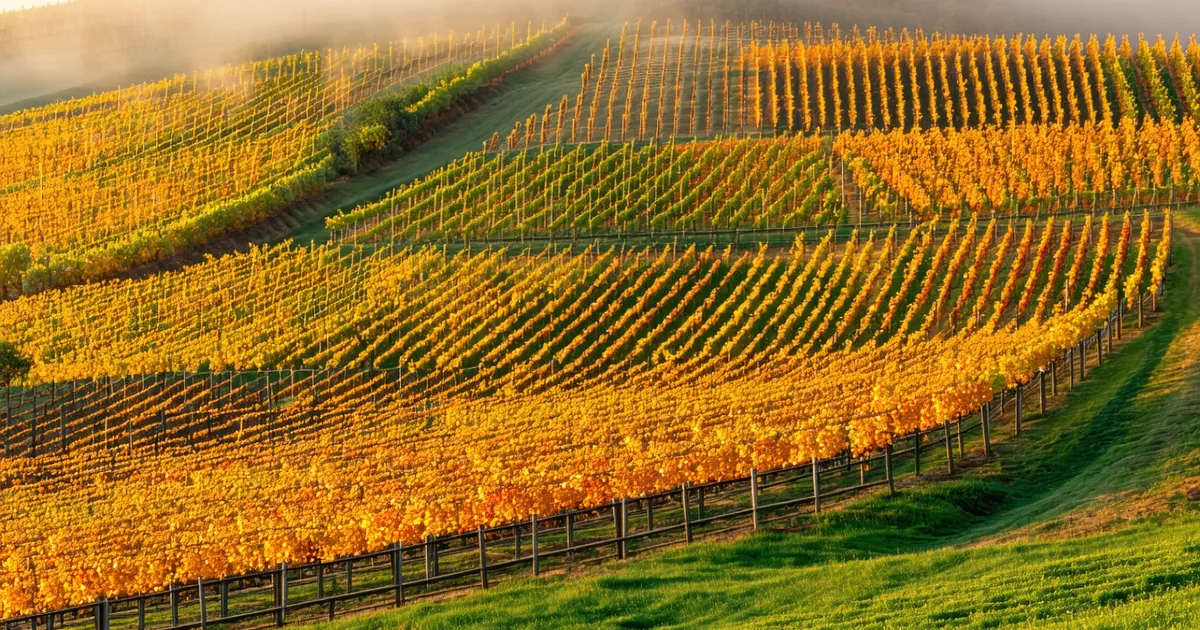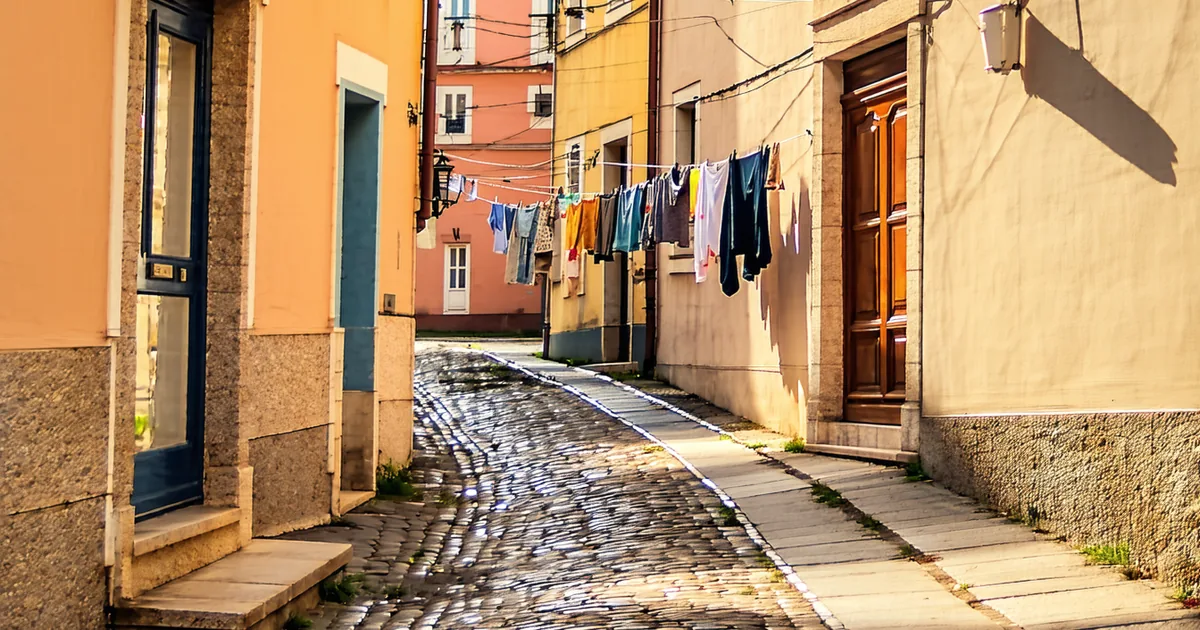
There is a version of travel that looks impressive on paper and feels hollow in memory. You flew into Rome on Tuesday, hit the Vatican and the Colosseum in the same afternoon, and by Thursday you were on a train to Florence. You have the photos. You were there. And yet, six months later, the trip hasn't left much of a trace — not compared to that one afternoon in Trastevere where you sat at an outdoor table for two hours, drank three small coffees, and watched the neighbourhood go about its day.
Slow travel isn't a pace. It's an agreement you make with yourself about what you're actually trying to get from a trip.
What "Slow" Actually Means
The phrase slow travel gets used loosely — sometimes it means staying in one place for a month, sometimes it means picking a smaller destination, sometimes it means rural over urban. None of those definitions are quite right on their own.
Slow travel is really about the ratio of depth to breadth. It's a deliberate choice to see fewer things more fully, rather than more things superficially. That can happen in a single city over five days, or it can happen across three countries over three weeks — the pace itself is secondary. What matters is whether you've left time for a place to actually register.
A useful test: at the end of a day, could you describe the neighbourhood you spent it in? The specific street corner, the light in the afternoon, what the locals seemed to be doing? If your day was a series of sites checked off a list, the answer is probably no. If you spent three hours in one neighbourhood and had a conversation with someone who lived there, the answer is almost certainly yes.
The Cost of Moving Too Fast
There's a real cognitive cost to high-turnover travel that doesn't get talked about enough. Every time you arrive somewhere new, you spend energy just orienting — figuring out the transit system, finding where to eat near where you're staying, understanding what the neighbourhood around your hotel is actually like. That orientation cost is roughly constant whether you're staying for one night or five.
When you stay for five nights, you amortize that cognitive overhead. By day three, you know the good bakery on the corner, you've figured out which direction to walk to avoid the tourist corridor, and you've stopped consulting the map every ten minutes. That's when travel starts to actually feel like travel.
When you stay for one night, you pay the orientation cost and then leave before you've collected anything back on that investment. You've experienced the transactional version of a place — hotel, checklist, airport. That's logistics. It's not nothing, but it's not the thing most people are trying to find when they travel.
The Slow Morning Problem
One of the most reliable markers of a trip that worked: you remember a specific morning. Not "Day 2 in Lisbon" as a category, but a particular hour — the light through the café window, what you ordered, what you were reading or thinking about. Slow mornings make themselves memorable because you're not in motion. You're sitting still in a place that isn't yours, which is one of the stranger and more pleasurable experiences travel can offer.
Fast travel treats mornings as logistics — breakfast at the hotel so you can get to the first site by 9am. Slow travel treats the morning as the first destination. The coffee shop two streets from where you're staying might be worth more to your memory of the trip than the famous cathedral you rushed to by 10am.
This isn't a romanticization of doing nothing. It's a recognition that the spaces between scheduled activities are often where you encounter a place most honestly. Markets before tourists arrive. A neighbourhood park at 8am. The café that has no menu in English because it doesn't need one.
What Slow Travel Isn't
We're not saying that packing a lot into a trip is wrong, or that efficiency is incompatible with genuine travel. Some people genuinely love the energy of moving fast through multiple cities — the variety, the stimulation, the sense of covering ground. That's a legitimate travel style, and there are trips where it makes perfect sense: a quick long-weekend jaunt to a city you've been to before, a business trip with a day of sightseeing tacked on.
We're also not saying slow travel requires a long trip. You can slow-travel a three-day weekend by picking one neighbourhood and staying in it. The philosophy scales down.
What we're pushing back on is the way travel is often packaged and planned — particularly by apps and guidebooks that optimize for coverage rather than experience. The "Top 15 things to do in Barcelona in 4 days" format implicitly argues that the goal is completeness. See the Sagrada Família, the Gothic Quarter, Barceloneta, Park Güell, and the Picasso Museum. Tick the list. Fly home.
That format works for some people. But if you're the kind of traveller who comes home from a trip feeling vaguely unsatisfied — lots of things happened, nothing quite landed — it might be worth asking whether the planning format was working against you.
How to Actually Plan Slower
Concretely: if you're planning a week-long trip, pick three or four neighbourhoods you want to understand rather than fifteen sites you want to visit. Let one of those afternoons be genuinely unplanned. Book the restaurant two or three nights in advance instead of five — leave some evenings to walk somewhere that looks interesting and figure out dinner from there.
Set one anchor experience — the thing you'd be genuinely disappointed to miss — and build the loose shape of the trip around it. If the anchor is a day hike in the hills outside the city, then the days on either side should probably be gentler, not denser. Fatigue management is part of slow travel too.
Leave the first morning free. Not "free for an optional activity" — actually free. No reservation, no plan, no expectation. Walk out of wherever you're staying and see what the neighbourhood looks like before the day begins. You'll probably remember it.
The Memory Argument
There's decent cognitive science behind the observation that memories form more readily around novel, emotionally resonant, sensory experiences than around information-dense activity. A rushed afternoon at a museum leaves fewer memory traces than a slow hour in a bar where something unexpected happened. This isn't an argument against museums; it's an argument for giving experiences enough time and attention to actually register.
The most honest pitch for slow travel is a selfish one: you'll remember more of it. The investment you're making in a trip — money, time off work, the planning overhead — returns better when the experience is dense rather than wide. One week in one city, deeply explored, tends to outlast three cities in the same week, lightly touched.
Not always. Sometimes the whirlwind trip is exactly right. But if your default planning mode is "pack in as much as possible," it's worth running a deliberate experiment on the other side — and seeing what the trip looks like when you give it more room.