Lisbon has a crowd problem. Not in the way that Venice has a crowd problem — it isn't drowning — but its main tourist circuit has become so polished and so well-documented that visiting it without a plan feels like being swept along a conveyer belt from tram 28 to Pastéis de Belém to the Alfama overlooks, all in one long efficient loop.
The city underneath that circuit is still very much there. It's just a few streets removed, often starting earlier in the morning, and occasionally requiring you to leave the hilltops.
Start in Alfama Before the Day Tours Arrive
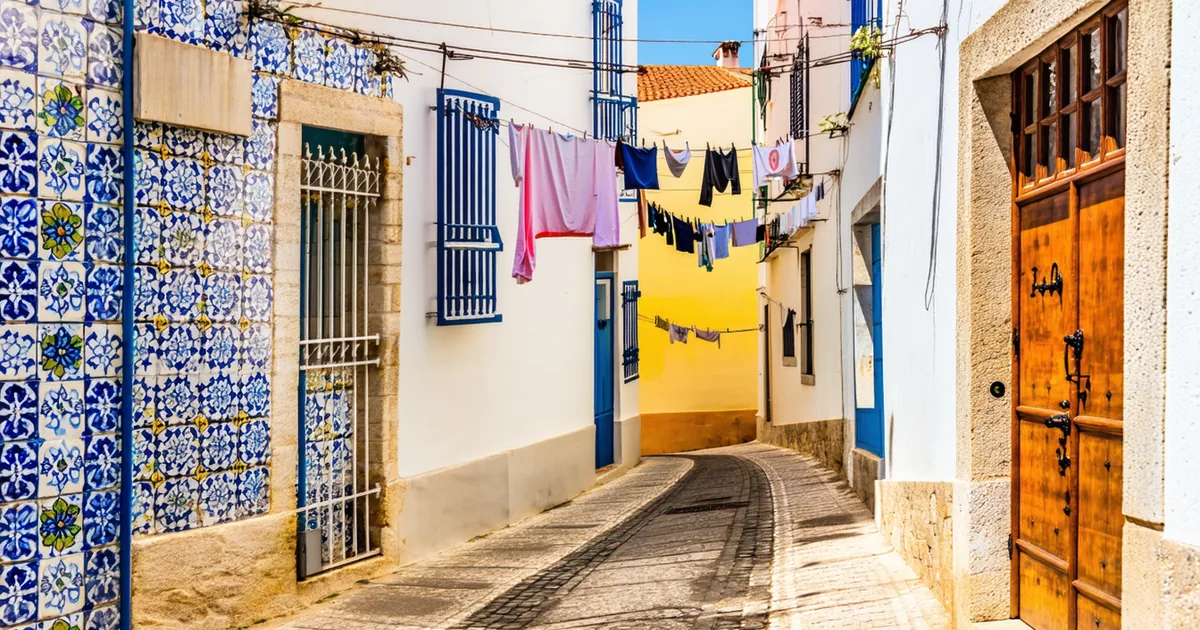
Alfama at 8am is one of the most genuine hours available to a Lisbon visitor. The neighbourhood is genuinely old — Moorish in origin, largely untouched by the 1755 earthquake that rebuilt the Pombaline Baixa to the west — and in the early morning, before the guided walking tours begin, it functions like a working neighbourhood rather than a spectacle.
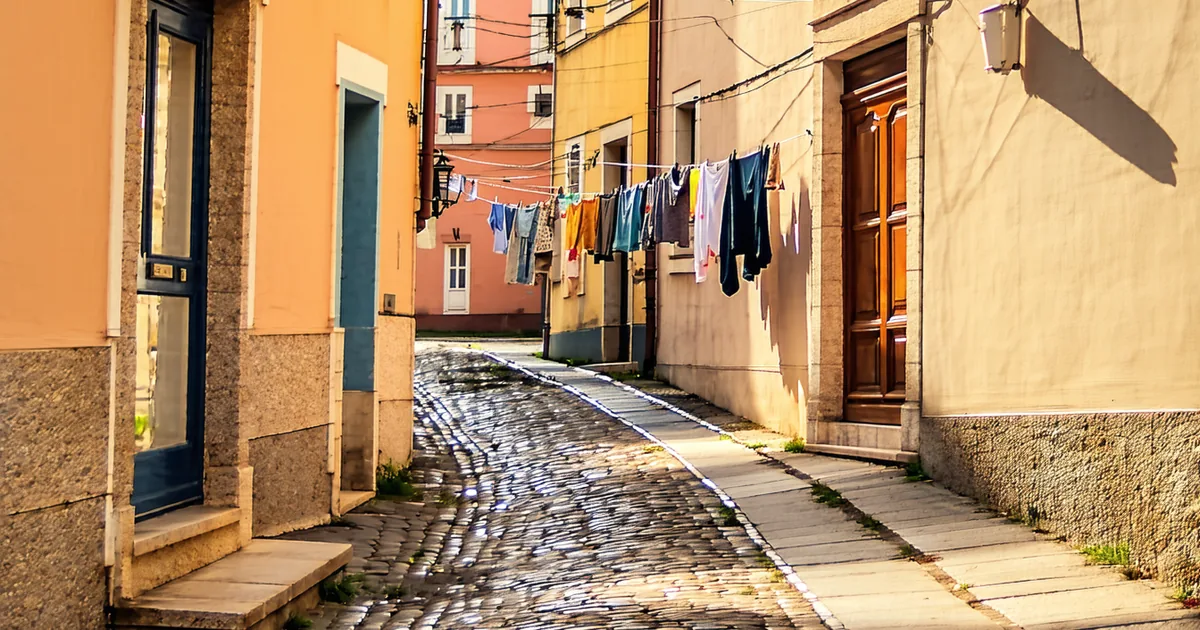
The fish seller on the steep alley near the Largo de São Miguel, the women hanging laundry from windows, the old man at the café at the top of the hill who has been ordering the same galão since before you were born — these are not things that disappear in the afternoon, but they recede. By 11am, the lanes fill with tour groups following guides with umbrellas held aloft. The experience changes completely.
What to do with those early hours: walk without a destination. Alfama is navigable by following the slope — up is deeper into the old quarter, down is toward the river. Get lost intentionally for an hour before you check anything on your phone. The miradouros (viewpoints) are worth visiting, but they're worth visiting at off-peak hours — the Portas do Sol and Santa Luzia points before 9am, when you can actually sit on a wall and look at the river without the selfie logistics of two hundred people around you.
Bairro Alto and Príncipe Real: Two Moods
Bairro Alto is a nightlife district with a daytime character that visitors often overlook. During the day, it's mostly quiet — independent bookshops, the odd lunch place, vintage clothing stores, people sitting on steps. The neighbourhood hums rather than performs. Come in the late afternoon, and it's transitioning: aperitivo hours at the wine bars start early, the fado houses are setting up, and the restaurants are filling.
Príncipe Real, just to the north, is what happens when money enters a traditional neighbourhood without wrecking it entirely. The market in the central square on Saturday mornings is genuinely good — antiques, food, plants, the occasional ceramics dealer with things worth buying. The neighbourhood has excellent independent restaurants and a distinctly local Saturday afternoon energy that's worth being in. This is also where you'll find the better ceramics and linen shops if you're looking for things to bring home that aren't made in China.
What Belém Actually Offers
Belém is worth the 15-minute tram ride or the pleasant walk along the waterfront — but you should know what you're going in for. The Jerónimos Monastery is genuinely magnificent, one of the best examples of Manueline Gothic architecture anywhere, and entry costs very little. The Tower of Belém, a few minutes' walk further west, is interesting but usually extremely crowded; it's mostly worth seeing from the outside. The Monument to the Discoveries is neither here nor there.
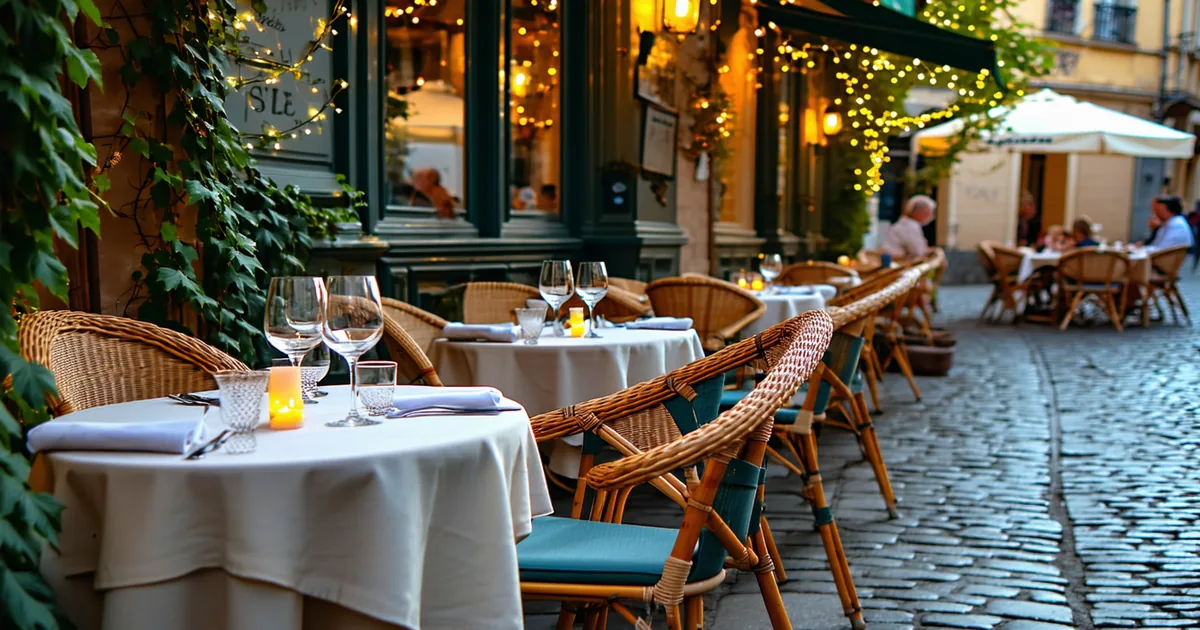
The pastéis at the famous pastry shop near the monastery are objectively excellent — but the line can be long and the inside is a tourist scrum. The standing question is whether the pastéis at the old neighbourhood bakery near your accommodation are meaningfully worse. The honest answer: probably not dramatically. The experience of eating one while standing at a zinc bar in a neighbourhood café at 9am is arguably better than eating one in a packed tourist shop at noon.
Spend an afternoon in Belém, not a whole day. Have a meal further west along the waterfront, where the tourist density drops off.
LX Factory and the Sunday Market Question
LX Factory, the repurposed industrial complex in Alcântara, has been thoroughly discovered — the Sunday market is crowded and a portion of the vendors have tipped into tourist-souvenir territory. That said, the complex is genuinely interesting architecturally, and on a weekday it's significantly more local-feeling: creative businesses, a good bookshop, lunch spots that serve the people who work there rather than the people who are passing through.
The Sunday market is still worth doing if you're prepared for crowds and treat it as a wandering experience rather than a shopping mission. Go early, have the brunch at one of the better spots there, and leave before noon when it gets properly dense.
The Mouraria and the River East
Mouraria, adjacent to Alfama, is Lisbon's oldest Islamic quarter and is currently in the middle of what might generously be called discovery and less generously be called gentrification. It still has a more genuinely multicultural street-level character than almost anywhere else in the city — the central square around Intendente has restaurants from half a dozen countries — and it hasn't yet been fully packaged for tourism the way that Alfama's upper streets have been.
Worth noting: the waterfront east of Alfama, around the Marvila and Beato industrial districts, has developed a serious food and wine scene over the past few years. This is where natural wine bars, serious restaurants, and the occasional excellent bakery have relocated from more expensive central locations. It requires a deliberate trip — take the Metro to Oriente and work your way back west along the river — but it's genuinely one of the more interesting afternoons available in the city right now.
A Pattern That Works
If you have five days: spend the first two with a base in Alfama or Mouraria, getting to know the eastern hills slowly. Give one afternoon to Belém and the waterfront. Spend a day in Príncipe Real and Bairro Alto. Keep one day without a plan — take the train out to Sintra if the weather is good (an hour from the city, the palaces in the hills are genuinely worth it), or stay in the city and follow whatever looks interesting. Eat well but not at the tourist-facing restaurants on the main squares.
The Lisbon that most people remember years later isn't the monuments — it's the light in a specific alley at a specific time of day, the wine they had in a place they almost didn't go into, the fado they heard drifting out of an open window on a hot night. That Lisbon is still available. It just requires arriving a little earlier and walking slightly further than the tour group in front of you.