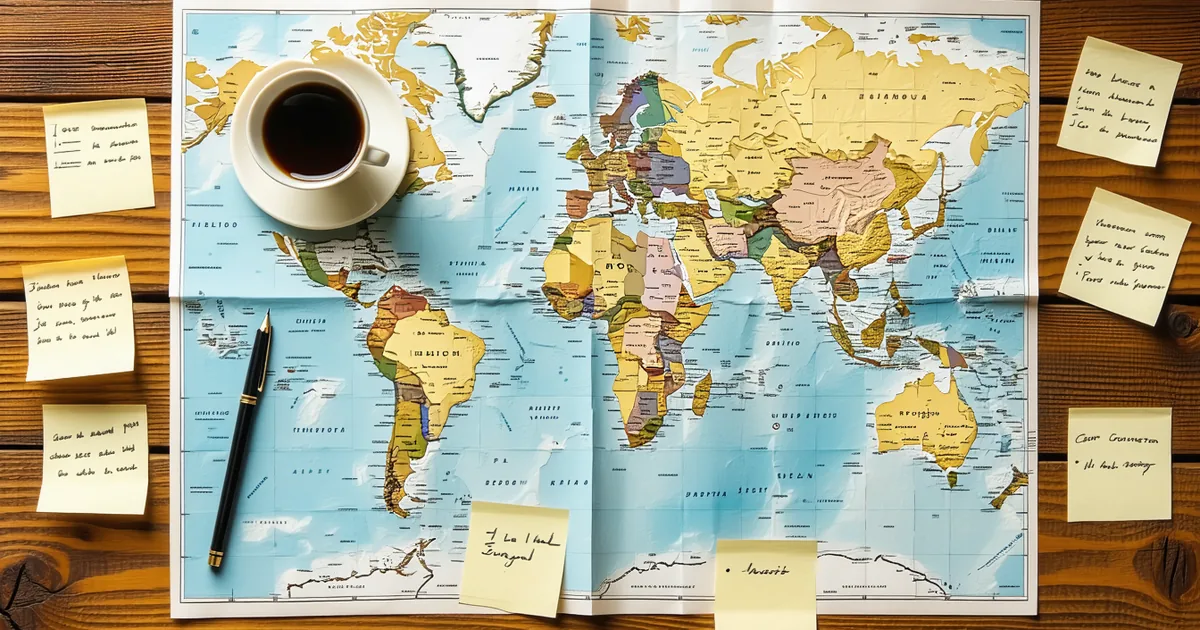
Japan is the destination that most frequently confounds first-time visitors, not because it's unwelcoming — it is one of the more logistically supportive countries for international travellers — but because the planning layer is genuinely more involved than most other destinations, and the consequences of not doing that planning in advance are more significant than elsewhere.
The temple you wanted to visit requires advance registration. The ryokan in the town you wanted to stay in requires booking months out. The rail pass you intended to use is purchased outside Japan and isn't available once you've arrived. These aren't bureaucratic quirks — they're part of how the country works, and understanding them before you start planning saves a trip's worth of frustration.
The Rail Pass Decision
The Japan Rail Pass is one of the most discussed practical questions in Japanese trip planning, and it genuinely requires thought rather than a default yes. The JR Pass gives unlimited travel on most shinkansen (bullet train) and JR lines for a set number of days. Whether it's worth the cost depends entirely on your routing.
The classic first-time Japan itinerary — Tokyo to Kyoto to Osaka, with a day trip to Nara or Hiroshima — makes the pass worthwhile if you're moving between cities multiple times. The Tokyo-Kyoto shinkansen is expensive enough that the pass pays for itself in two or three long-distance trips. But if you're spending most of your time in Tokyo and making one day trip, the pass may cost more than individual tickets. There are rail pass calculators online; it's worth running your actual planned routing through one before buying.
Important logistic: as of recent years, the JR Pass must be purchased before arriving in Japan through authorised resellers, or online with delivery to your home address. The price has increased substantially since its introduction, and the value calculation has shifted — running the numbers on your specific itinerary is more important now than it was when the pass was a clear default recommendation.
Tokyo vs. Osaka as a Base
This is the decision most first-time Japan travellers face: where to spend the majority of time? The honest answer is that they're substantially different cities with different characters, and the right choice depends on what you're trying to experience.
Tokyo is vast — the largest city in the world by metropolitan population — and functionally comprises multiple cities within itself. Shibuya and Shinjuku are the hyper-dense entertainment and transport hubs. Yanaka and Shimokitazawa are old-neighbourhood and subculture pockets. Asakusa is the closest to traditional historical Tokyo. Akihabara is the tech and anime district. A week in Tokyo without leaving the city is a reasonable trip and barely scratches the surface. For first-timers who are most excited by the modern urban experience — the density, the food, the subcultures, the shopping — Tokyo is the obvious base.
Osaka has a different character entirely: louder, more direct in social manner than Tokyo's formality, considered the food capital of Japan even among Japanese people (the phrase kuidaore — "eat until you drop" — is associated with Osaka). Dotonbori at night has a kinetic energy unlike anywhere else in the country. As a base, Osaka puts you well-positioned for Kyoto (25 minutes by shinkansen), Nara (45 minutes), and Hiroshima (1.5 hours).
A practical split for a 10-14 day first trip: four to five nights in Tokyo, then the rest based in Osaka or Kyoto, with day trips radiating out. This is the structure that gives you genuine experience of both sides of Japan's character without spending three hours a day on trains.
Kyoto: What to Book and When
Kyoto is where advance planning matters most on a first Japan trip. The city has the highest concentration of UNESCO World Heritage Sites in Japan, and the most popular ones — Fushimi Inari, Arashiyama, Kinkakuji — are mobbed year-round. Some key experiences require reservations that need to be made well in advance.
The most significant: Kinkakuji (the Golden Pavilion) no longer requires advance booking as of recent years, but the experience of walking its grounds with two thousand other people on a peak-season morning is a legitimate tradeoff to consider. Going on a weekday, arriving at opening (9am), significantly changes the experience. For the geisha district of Gion, evening hours are when the actual practising maiko may be seen on their way to engagements — but the crowds have learned this too, and the lanes are densely packed from 5-8pm in peak months.
The experiences worth pre-booking in Kyoto: certain tea ceremony experiences run by specific establishments (not all — the ubiquitous tourist tea ceremonies need no booking — but the more authentic, smaller ones with advance registration). Some of the higher-end multi-course kaiseki restaurants book out weeks in advance and won't take walk-ins. The famous bamboo forest path at Arashiyama is most tolerable before 8am; arriving after 10am on a weekend in spring or autumn is a crowd management exercise, not a contemplative walk through bamboo.
The Cash and Card Reality
Japan's transition to card acceptance has accelerated, but it remains more cash-oriented than most Western countries. Many traditional restaurants, smaller establishments, shrines, and local vendors still operate cash-only. Arriving in Japan with only a card and discovering the excellent ramen counter near your hotel doesn't take Visa is a fixable but annoying problem.
The practical solution: withdraw yen from an ATM on arrival. Japan Post ATMs and 7-Eleven ATMs (the convenience store is everywhere) are the most reliably international-card-friendly. Withdraw enough for a few days' worth of smaller expenses — ¥20,000 to ¥30,000 is a reasonable starting point — and top up as needed. Many IC cards (the transit cards used on train and bus networks, like Suica or Pasmo) can be loaded with cash at station machines and are invaluable for transit and small purchases.
Timing: Why It Changes Everything
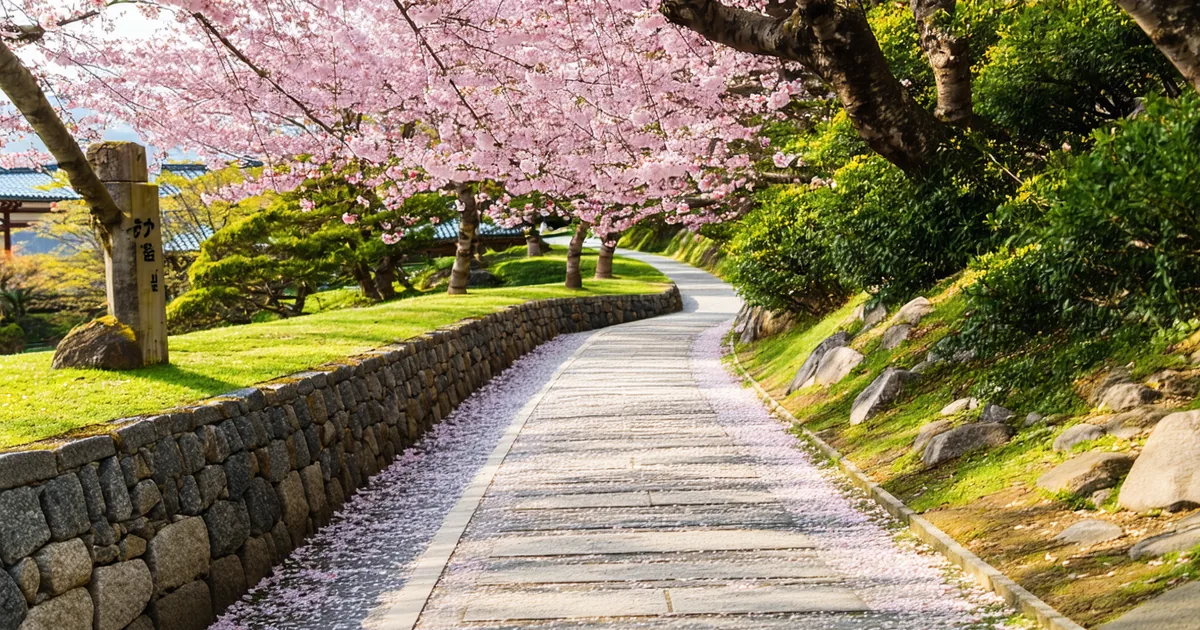
Cherry blossom (sakura) season, typically late March to mid-April depending on the year and region, is Japan at its most photographically spectacular and its most crowded. Hotels in popular areas book out months in advance. Prices are at their highest. The experience is genuinely beautiful and the crowds are genuinely overwhelming. If cherry blossom is the reason for the trip, go — but book accommodation in Kyoto six months or more ahead, accept the crowds as part of the package, and build in more flexibility than you might otherwise.
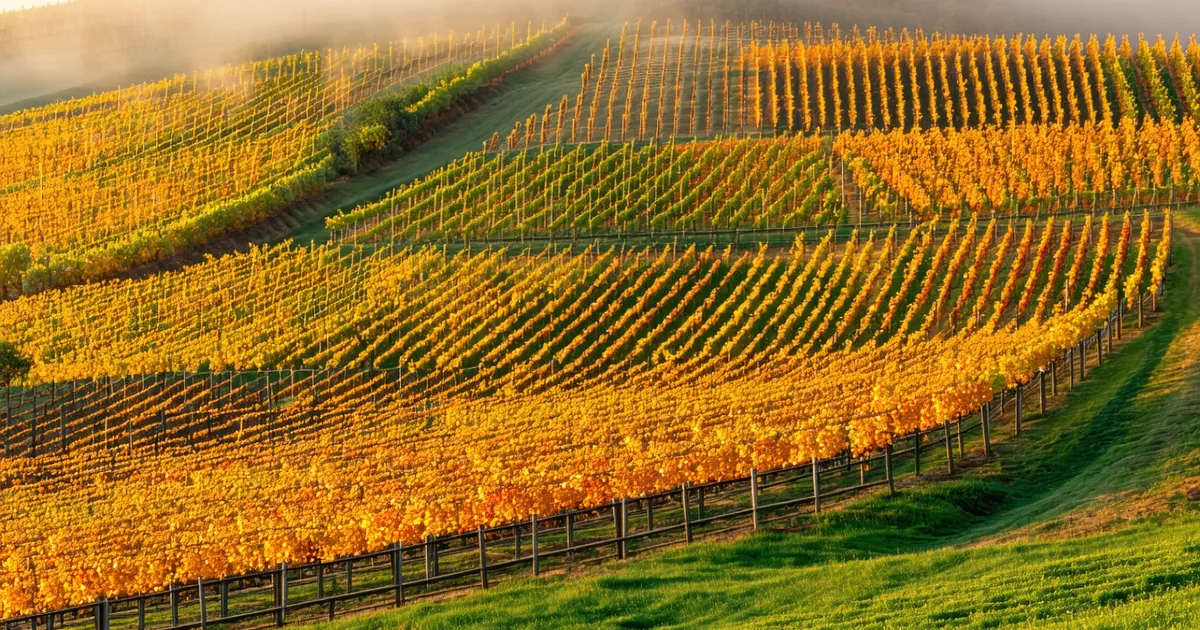
Autumn colour (koyo) in late October through mid-November is arguably a better experience for first-timers: similarly spectacular, significantly less crowded than cherry blossom peak, and with generally more manageable weather. The temples of Kyoto and Nara against autumn maple colours are among the more striking visual experiences available in travel.
Golden Week — the cluster of public holidays in late April and early May — is when domestic Japanese travel peaks. Trains are packed, popular destinations are congested, and hotel prices surge. Arriving in Japan in the last week of April or first week of May without advance bookings is the planning version of showing up to cherry blossom Kyoto without a reservation: solvable, but harder than it needed to be.
What Doesn't Need Planning
Not everything in Japan is advance-reservation territory. The famous convenience store food culture — 7-Eleven and similar chains having genuine, interesting food worth eating — requires no planning and produces some of the best value eating in the country. Wandering into most ramen shops, soba counters, and izakayas in non-tourist neighbourhoods on a weekday evening usually works without booking. The neighbourhood sento (public baths) need only towels and a willingness to be briefly naked in semi-public.
Japan rewards the traveller who has done enough planning to unlock the things that need it, and then leaves plenty of room for the unplanned things that make it genuinely surprising. The planning work is front-loaded; once you're there, the country meets you more than halfway.