Imagine you've just landed in San Sebastián on a Friday evening. You have five days. You've been looking forward to this trip for months — the pintxos bars, the old town, maybe a day trip out to Getaria. On your first night, you ask the hotel concierge where you should eat. She pauses, then tells you the places you'd want are fully booked through Sunday. The one she'd actually send you to has a six-week waitlist for weekend tables.
This is not a hypothetical. This is how dining in food-serious destinations works, and most travellers discover it the hard way.
Why the Best Tables Fill So Early
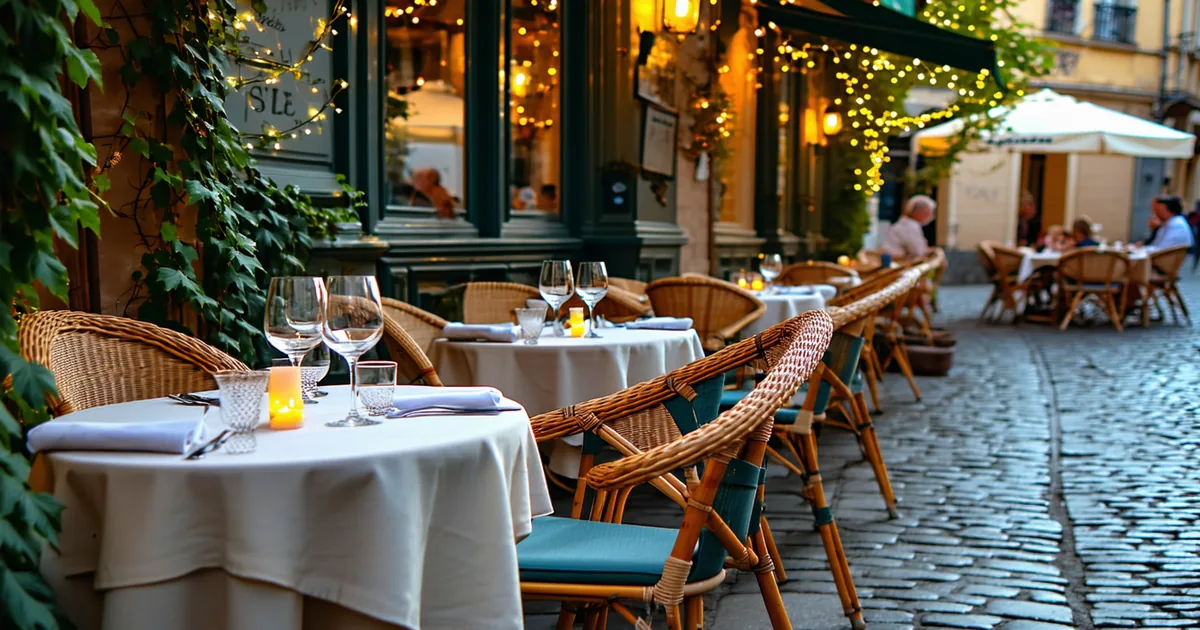
The restaurants that attract serious food travellers — the ones with a point of view, a reputation, a devoted local following — don't scale to meet demand. A thirty-seat restaurant in the old town has thirty seats. The owners aren't going to add tables in the kitchen. What they have is what they have.
When those restaurants start taking reservations (which varies — some open two weeks out, some six, some a year in advance for special tasting menus), travellers with planned trips book immediately. By the time you've booked your flights and accommodation, the tables you'd most want may already be gone for the weeks surrounding your visit. Not the restaurant's fault, not yours — just the arithmetic of limited supply and organised demand.
This pattern is consistent across food destinations: anywhere in the Basque Country, the serious restaurants in Copenhagen's natural wine district, the counter-service places in Tokyo's Shibuya backstreets that seat twelve people at a time, the trattorie in Rome's Testaccio neighbourhood that families have been going to for thirty years. The common thread is a combination of genuine quality, limited seating, and enough of a reputation that the word has spread beyond locals.
The Tiered Booking Reality
Not every meal on a trip needs to be pre-booked. There are tiers, and it helps to think clearly about which tier each meal falls into.
The first tier is the anchor dinner — the one specific meal you'd be genuinely disappointed to miss. Maybe you've read about this restaurant for two years. Maybe a friend who travels seriously told you it was the best thing they ate last year. This meal should be booked as soon as you've confirmed your travel dates, even if that's two months before the trip. Check the restaurant's reservation system or call directly; for truly destination-level places, that window matters.
The second tier is good but not irreplaceable — the lively wine bar, the newer place that's been getting attention, the neighbourhood joint with a Michelin nod. These often open reservations two to four weeks in advance. A reliable habit: book one or two of these the week you finalise your accommodation.
The third tier is walk-in territory — the city has dozens of these, they turn tables, the experience is roughly equivalent across several options. Leave your lunches and spontaneous evenings here. The freedom to wander into somewhere that looks right is one of the genuinely good things about not over-planning, and the third tier supports it.
What to Book Before You Land
A practical target for a five-to-seven day trip: two to three pre-booked dinners (one anchor, one or two good-but-not-irreplaceable), with the remaining evenings left open. That structure gives you the meals you actually planned around without turning dinner into a schedule.
For the anchor meal, book as far in advance as the restaurant allows. Many serious restaurants now have their own reservation systems online — look for the restaurant's own site rather than third-party aggregators, which sometimes have limited inventory or outdated availability. For restaurants without online booking, a short polite email a month or six weeks before your visit often works; enough notice that they have availability, enough formality to signal you're a serious diner, not a same-day walk-in hoping they had a cancellation.
One genuinely useful detail: mention in your reservation if you have a specific dietary restriction that isn't obvious from the menu. For tasting menus especially, kitchens appreciate the advance notice and you get a better meal. For à la carte, it rarely matters — but it's worth flagging if you're somewhere with a strong nose-to-tail or seafood-only identity.
The Case for Leaving Some Nights Open
We're not suggesting you pre-book every dinner. That would take what should be one of the more pleasurable parts of travel — wandering into somewhere that smells right on a warm evening — and turn it into homework.
The point isn't to eliminate spontaneity; it's to protect the meals that matter most from the logistics of limited supply, so that the spontaneous evenings feel like freedom rather than fallback. When you've locked in the dinner you most wanted, you walk into the rest of the trip knowing that one anchor is set. The unplanned evenings become genuinely open — not stressful scrambles for wherever still has room.
There's a version of travel planning that treats every variable as something to be optimised in advance, which is exhausting and often counterproductive. And there's a version that leaves everything to chance, which works fine in low-stakes destinations but falls apart in places where the things worth eating are genuinely hard to get into. The balance sits somewhere in between: book the two or three things that would matter most if you missed them, and leave the rest to the evening.
The Local Lunch Loophole
One thing experienced food travellers know: many restaurants that are difficult to get into for dinner have more availability at lunch. Not all of them — some only do dinner service — but a meaningful number of destination-worthy restaurants do a lunch service with shorter waits, sometimes even walk-in availability, and in many European dining cultures, a version of the kitchen's best work at a lower price point. The famous Basque asadors, for instance, are fundamentally lunch restaurants in the local tradition. Showing up at 2pm on a weekday is often easier than getting a table on Friday night.
Lunch reservations are also worth making in advance at tier-one destinations, but the window is often shorter — two to three weeks is usually workable rather than two to three months. And the lunch sitting is more forgiving of showing up slightly late, or extending into the afternoon, in a way that the dinner service often isn't.
Building This Into Your Planning
The habit that solves most of this: the day you book your flights, spend twenty minutes on the one or two restaurants you most want to eat at on this trip. Check their reservation process, note when they open the booking window for your travel dates, and put a reminder in your calendar to book the moment that window opens. That's often enough. You'll almost certainly get in.
The alternative — arriving in a city, being told the places you wanted are full, and spending an evening on a restaurant you settled for rather than chose — is a familiar disappointment that's almost entirely avoidable with a small amount of upfront planning. The best table in the room won't wait. It doesn't need to.